Chapter one
An Idea That Wouldn’t Go Away
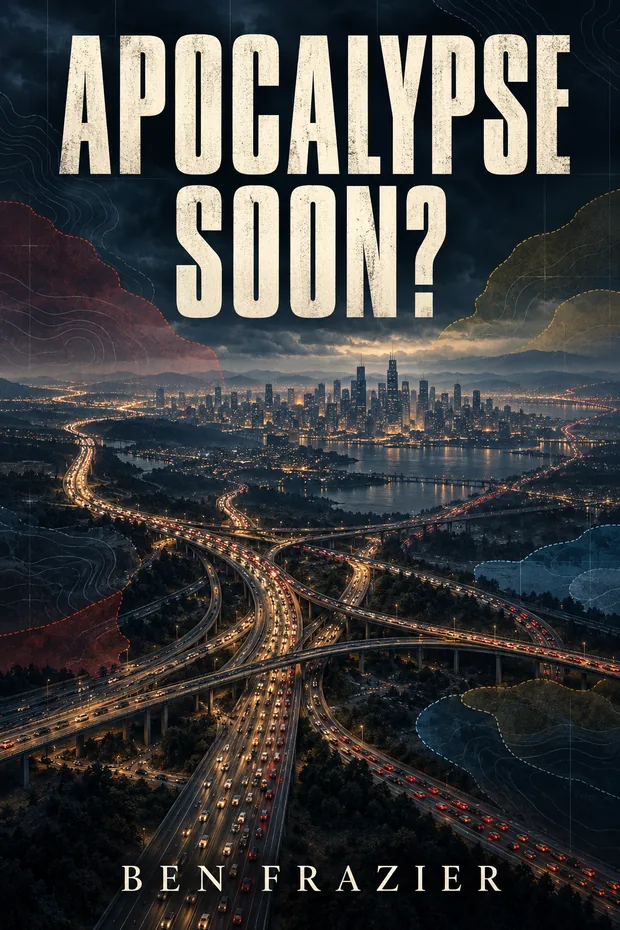
I can’t remember exactly when I came up with the idea for my first novel, which I’m currently calling Apocalypse Soon. What I do remember is how much fun I had developing the idea.
I started imagining the world where the story would take place. What would happen? How would people react? What would society look like? How would ordinary people navigate extraordinary circumstances? I could spend hours thinking about it.
That was the first time I seriously considered writing fiction. Not because I’d always dreamed of being a novelist, but because I’d discovered how much I enjoyed building an imaginary world. There was just one problem. I had absolutely no idea how to write a novel.
Read the restShow less
And with my limited experience reading fiction, I wasn’t even sure I knew what one was supposed to look like.
I’ve since arrived at two possible conclusions about my writing. It’s probably going to be different from what readers are accustomed to. The question is whether that difference will be refreshing or just off-putting. For now, I’m choosing to consider it a strength. But I’m aware of the risk, and I’ve been making an effort to read more fiction.
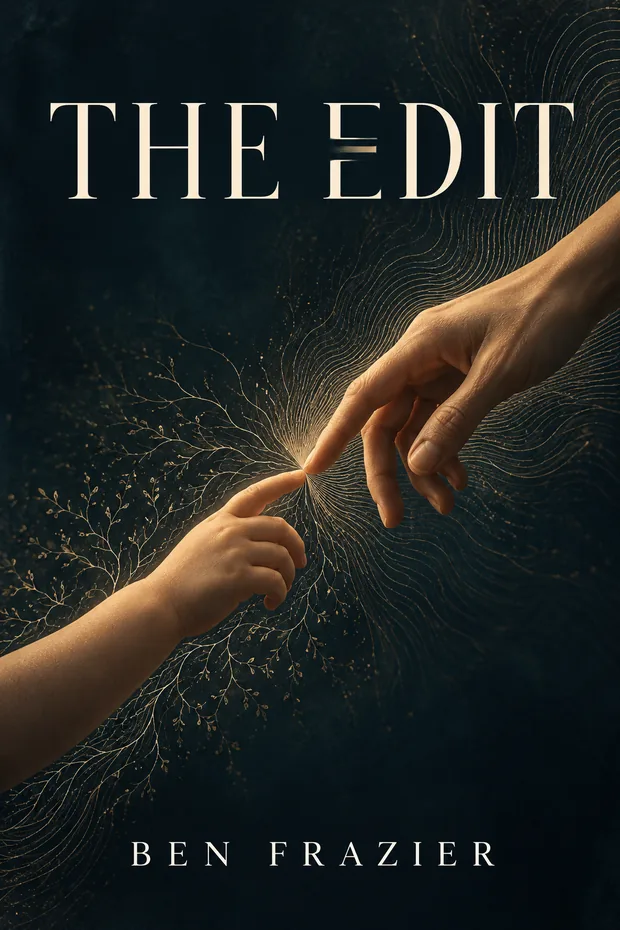
In the meantime, the ideas kept coming. My next concept, The Edit, explores a future in which scientists believe human evolution is moving too slowly for humanity’s own survival. They’ve developed a way to intervene, but the solution raises difficult questions about trust, ethics, judgment, and the consequences of changing what it means to be human.
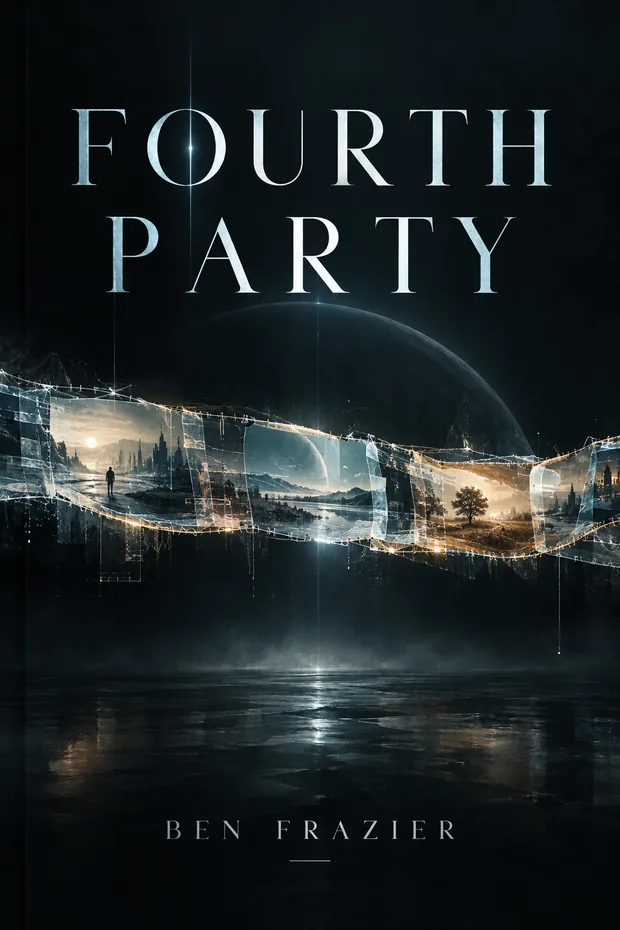
Then came Fourth Party, a story about technology that allows people to experience events they never attended, not through a screen or headset, but as memories that feel indistinguishable from their own. The story follows the inventor, the technology’s original purpose, and what happens as it makes its way into the world.
Fourth Party is the furthest along of my novel projects. I’ve begun writing scenes, developing characters, and discovering that the process is every bit as enjoyable as I’d hoped. The prospect of completing an entire novel is still pretty daunting, though.
My fourth concept, The Retreat, imagines a rather unusual wellness resort built around a simple observation: even the best medical care is only as effective as the patient’s willingness to follow through. The retreat solves that problem by temporarily removing the patient from the equation. Guests surrender control of their bodies to a medical team while spending weeks or months in a carefully managed, coma-like state. Treatments, surgeries, recovery, and physical transformations all happen while they’re effectively away.
The sales pitch is something along the lines of, “Captain, take the wheel. I’ll be back in a few months.” What could possibly go wrong?
These stories are all in different stages of development, and I still have a long way to go before I can call myself a novelist. But I’ve discovered that I particularly enjoy exploring the consequences of ideas that initially seem perfectly reasonable.